

“I am excited how innovations like AI can help us take our work to the next level for the benefit of patients and staff.”
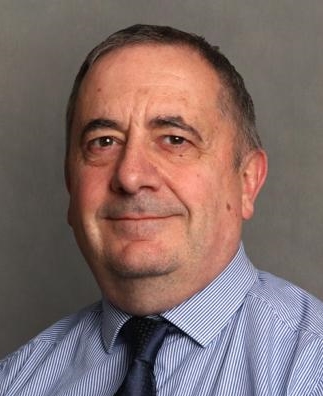
In our latest Meet Team OneLondon feature we are delighted to introduce Dr Phil Koczan who is a north east London GP and Clinical Safety Officer for the OneLondon programme. Phil talks about his role ensuring the voice of clinicians is centre-stage in the development of the OneLondon systems (16 July 2025).
What is your background?
I have been a GP for over 30 years at the same practice in Chingford, north east London. I took over a single-handed practice (but had a salaried partner). Over the years we merged with other small practices and now have eight partners and serve around 13,000 patients.
The role of a GP has changed over those years. We are now supported by a whole range of different clinicians including nurses and physiotherapists so it is a much bigger team. I still really enjoy the variety and providing support and reassurance over the course of person’s illness and sometimes their life.
How did you first get involved in digital technology?
I have always been interested in technology. When I was doing my GP training computers were really only just starting to come in and most records were completed on paper. I was lucky that I did my training in one of the first paperless practices.
This meant I saw the benefits of technology first hand early on in my career and this helped to cement my interest in digitally sharing of patient records. That’s why I got involved in regional and national programmes including the London Care Record.
What is your OneLondon role?
I have been involved with OneLondon since its creation in 2018. My formal role of Clinical Safety Officer began around the time of the pandemic in 2020. Essentially I am a GP advisor to the programme. On a day to day basis I advise on the strategic direction we are taking in terms of the data we share and how we do it. We need to make sure this is done in a safe way that works for clinicians while supporting improved patient care.
I think initially many clinicians were a bit sceptical but are now generally much more supportive and accepting of technology and digitally sharing patient information. Most now just want it to happen, but for it to be done in the right way. That’s where my OneLondon role comes in. It’s about striking the right balance between sharing enough information to support clinicians in the decisions they take while not bombarding them with too much information.
Why is the work of OneLondon so important?
It is incredible to think that over 100,000 different health and care professionals now use the London Care Record each month. We have come a long way since the early days of the system when relatively few organisations shared data through it and a limited number of health and care staff were able to use it.
Recently I received a call from a radiology department about a very abnormal x-ray result for one of my patients. The patient needed to be reviewed urgently and I faced having to spend some time contacting the patient. However on reviewing the London Care Record, I was able to see that the patient had already been directed to the Emergency Department. I was able to ensure the patient was getting the appropriate treatment and avoided spending time contacting the patient unnecessarily. This is a much better outcome for the patient and also a much more effective way to operate saving time and money.
Currently I spend more of my time working on the Universal Care Plan (UCP) and supporting its ongoing expansion. The platform is already making such as big difference in palliative and end of life care, but it is great that his year it was extended to also support Londoners with other long term conditions.
The UCP has become such an important tool for so many different clinicians. For example from a paramedic’s perspective they can check the UCP before they arrive at a call out so they can go in more prepared helping to make it easier to manage the initial contact with the patient. Having a better understanding of their needs and wishes is also much better for the patient as well.
What ongoing OneLondon work are you most excited about?
A lot of patients from outside London are referred for treatment and care in the Capital so we need to be able to share information about these patients across boundaries. OneLondon has made good progress with this through partnerships with other neighbouring areas. But we need to do more and it will be interesting how we can expand this with the evolution of the Single Patient Record.
I am also excited how innovations like AI can help us take our work to the next level for the benefit of patients and staff. There is so much potential to use this technology to quickly summarise large volumes of patient records so clinicians can make the right decisions even quicker.
Having clinicians involved shaping and directing these developments is vital. New innovations can’t just have a technical focus. They have got to work for both the clinician and the patient. With the digital focus of the Government’s 10 Year Plan it is potentially a really exciting time. I am looking forward to being involved in helping to make some of this happen.