

“My life mission is to connect carers with health services through digitisation.”
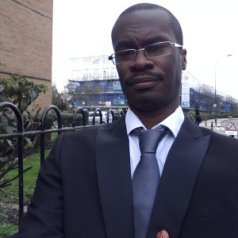
In our latest meet Team OneLondon feature we are delighted to introduce Matthew McKenzie BEM who is a member of the Universal Care Plan’s (UCP) People with Lived Experience Group. Matthew was awarded a British Empire Medal for his services to carers in the 2024 King’s New Year Honours. Here Matthew talks about some of this work and his involvement with the UCP (16 July 2024).
What is the People with Lived Experience Group?
This Group was established last year to support the UCP Programme and ensure that the tool continues to be developed in partnership with patients and carers so it effectively meets their needs. All the members of the Group are from very different backgrounds so we all have something different to offer the programme due to our unique experiences.
What experience do you bring to this Group?
My brothers have autism, a devastating condition which means they are unable to speak and communicate effectively. My mother cared for them but when she was diagnosed with schizophrenia she was no longer able to so. I took the lead caring for all three of them and this gave me a lot of first-hand experience about the challenges faced by patients and their carers and how digital technology can help.
That’s why I got involved with a number of organisations like Carers UK. As a volunteer I have shared my experiences, helped raise awareness, informed carers of their rights and entitlements and represented the voice of carers in meetings with Government and NHS England. I have been running support groups for carers in south London for around nine years and I have also written several books about lived experience and why it is so important carers get involved in shaping NHS service.
Sadly my mum passed away in 2019. But having cared for her for many years, and through continuing to support my two brothers, as well as through my wider volunteering work my life mission is to connect carers with health services through digital technology. I feel I can offer a wealth of understanding and commitment to improving the lives of unpaid carers and their loved ones. And it also helps that I work in IT!!
Why is the UCP so important?
The pandemic showed us all the importance of technology, whether helping us work from home or just staying in touch and supporting each other. The NHS also had to adapt and move some services online. This was a bold step but it showed it can work so we can’t just go back to the old ways of working.
It is not always easy to use technology but it can offer more accessibility when it comes to your own health records. Mobiles phones mean you are just a touch of a button away from your records and this can mean a stronger voice and more control for patients and carers.
The UCP is a great example of this technology in action. But we need it to be as easy to use as possible for everyone, including vulnerable people and their carers. That’s where someone like me comes in!! People like me are only experts in our own experience so we can’t lead this work. But we can use our experience to help ensure it works as effectively as possible and helps give people like my brothers and their carers a better quality of life.
What UCP projects are you currently involved with?
From this year Londoners and their carers could see their care plans via the NHS app. This is a really important step in giving them more control over their own care. The next step is to enable them to also edit or create their own care plans using the App. But this needs to be done in a way that works for the patients as well as their carers.
I have been working with the UCP to design a consultation to help shape this work. This will include focus groups, interviews and a survey. This is important because we want to design a system that is as easy and comfortable to use as possible. This means making sure we ask the right questions in the right way, it is not too long and we don’t use jargon that will confuse or disengage people. Crucially it is also about framing the questions so people feel excited about this project and want to spend their time providing feedback.
I am also helping to promote this survey via my networks to try and get responses from as wide a range of people as possible. This all helps us design the best possible approach. It is so important carers have a say when it comes to digital records and I have lots of experience in this over many years so combined with my contacts in different networks I feel I can make a real difference here.
What are you most excited about in terms of your involvement with the UCP?
I have worked with different charities and organisations to ensure that Black, Asian and ethnic minority carers are identified, recognised and supported and that the challenges and inequalities they face are addressed so they can access the support they need.
I am excited about bringing this experience to the UCP programme to help ethnic minorities get access and control of their own information to support their health and wellbeing. But we need to develop trust with them. This has not always happened on NHS programmes in the past and has led to poor outcomes. So I can bring that experience to this Group and that really excites me.
My advice to anyone wanting to share their experiences is to just go for it. There is always room and need for more different voices. And you can make a real difference.